Pirates of the North Sea
Details undercover maritime red team operations where testers boarded cruise ships to physically breach engine rooms, navigation bridges, and vessel IT networks.
Summary
Undercover Red Teaming on Commercial Vessels
Maritime physical and logical security assessments evaluate how effectively commercial vessels and shipping companies protect onboard operational technology. In real-world engagements, red teamers board active passenger cruise ships disguised as regular guests to test physical boundaries.
Infiltrating Restricted Vessel Compartments
By exploiting social engineering opportunities and unlatched service corridors, operators successfully gained physical access to restricted zones, including ship communication centers and engine control rooms, while blending into crew and passenger traffic.
Bridging Physical Access to Vessel Operational Networks
Once inside control compartments, testers connected directly to shipboard network switches, bridging isolated passenger networks to critical operational buses. Vulnerabilities in maritime network segregation allowed testers to access navigation and propulsion systems.
Lessons for Maritime Fleet Security
Securing marine vessels requires enforcing electronic access controls on all crewways, hardening bridge network drops, and training crew members on physical tailgating and guest verification protocols.
Related talks

Creator Stage·56 min
Shawn
Walks through the full physical penetration testing lifecycle, from breach-focused reconnaissance to delivering actionable security upgrades for clients.

Creator Stage·57 min
Karen Ng · Matthew Cancilla
Explores non-destructive entry techniques that bypass doors and access control hardware without picking locks, alongside defensive hardening measures.
Creator Stage·56 min
Brent White · Tim Roberts
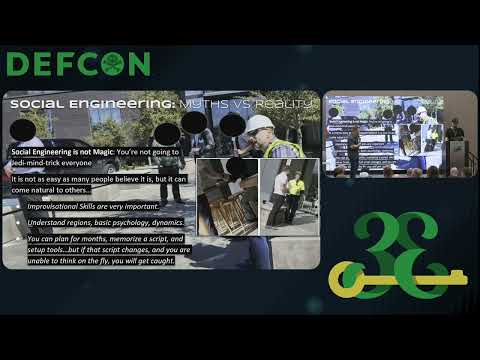
Shares hard-learned lessons and busted myths from physical penetration tests, covering site surveys, social engineering, and real-time contingency handling.